.svg)
.svg)
.svg)
.svg)
.svg)
.svg)
.svg)
.svg)
.svg)


.svg)
.svg)
.svg)
.svg)
.svg)
.svg)
.svg)
.svg)

.svg)
.svg)
.svg)

.svg)

.svg)
.svg)
.svg)
.svg)
.svg)


.svg)
.svg)
.svg)
.svg)
.svg)
.svg)
.svg)





.svg)



.webp)
%20(1).png)

Running a fundraiser doesn’t require a massive budget, a big team, or years of experience. All you need is a clear plan and the confidence to take the first step. When you know what to focus on (and what you can safely ignore), learning how to start a fundraiser becomes far less stressful and far more effective.
This 10-step blueprint gives you a practical roadmap to plan, launch, and run a fundraiser that turns good intentions into real support and sets you up to do it even better next time.
Key takeaways
- Set your goal and share it 🎯 Set a clear fundraising goal, then motivate giving by sharing it with your supporters.
- Choose your format 🥳 From events and bake sales to peer-to-peer and online campaigns, pick a format that fits your goal and audience.
- Make your story compelling 📒 Use beneficiary spotlights, meaningful stats, and strong visuals to help donors connect with your impact.
- Create a marketing strategy 🤓 Build excitement with a simple, multi-channel plan using email, social media, text, and direct mail.
- Use the right tools 👷 Monitor results in real time and manage donations, events, and donor data in one place with Givebutter.
What is a fundraiser?
A fundraiser is a time-bound campaign or event held to raise a designated amount of money for a specific purpose, such as funding a program, covering operating costs, or launching a new initiative.
Fundraisers can take many forms, including online donation campaigns, peer-to-peer challenges, community events, sponsorship drives, and seasonal appeals. The best campaigns are not always the flashiest ones. They’re the ones that fit your audience, timeline, and capacity.
What all successful fundraisers have in common is a defined goal, a clear start and end date, and a compelling reason for supporters to get involved. This structure is what turns a fundraising need into real support.

How do fundraisers work?
Most fundraisers follow the same general process: define the need, set a goal, choose a format, plan a budget and timeline, and make it easy for people to give or participate. Behind the scenes, nonprofits delegate responsibilities, prepare marketing outreach, and use tools to reduce friction.
Once the campaign ends, a timely follow-up becomes essential. Thanking donors promptly and sharing how their support has made an impact builds trust and sets the foundation for future fundraising efforts.
🧠 Did you know? Many first-time fundraisers worry their idea is “too small” or “not official enough.” In reality, most successful fundraising campaigns start simple. Clear, achievable goals and follow-through matter far more than complexity.
Instructions for how to do a fundraiser (step-by-step guide)
You don’t need to craft the perfect plan from scratch to start raising money. These 10 steps show you exactly what to do, one simple move at a time.
1. Clarify your “why” & fundraising goal 🏁
Set a clear fundraising goal with a specific, measurable total, whether that’s raising $4K to repair a building or $2K to launch a new program.
Goals should always go deeper than just choosing a number. When you get clear on why you’re raising money—not just how much—it’s easier to craft a compelling narrative. Start by asking yourself these questions:
- How much do we need? 💰 Itemize the costs involved in your new program or project to help you define a realistic total goal.
- Where will the funds go? 🤔 Break down exactly how you’ll allocate contributions, tying funding outcomes back to your beneficiaries. Be sure to share this information with supporters during the fundraiser.
- Why is my goal important? 🙌 Get clear on how your new project or program fits into your wider mission as well as your larger fundraising goals.
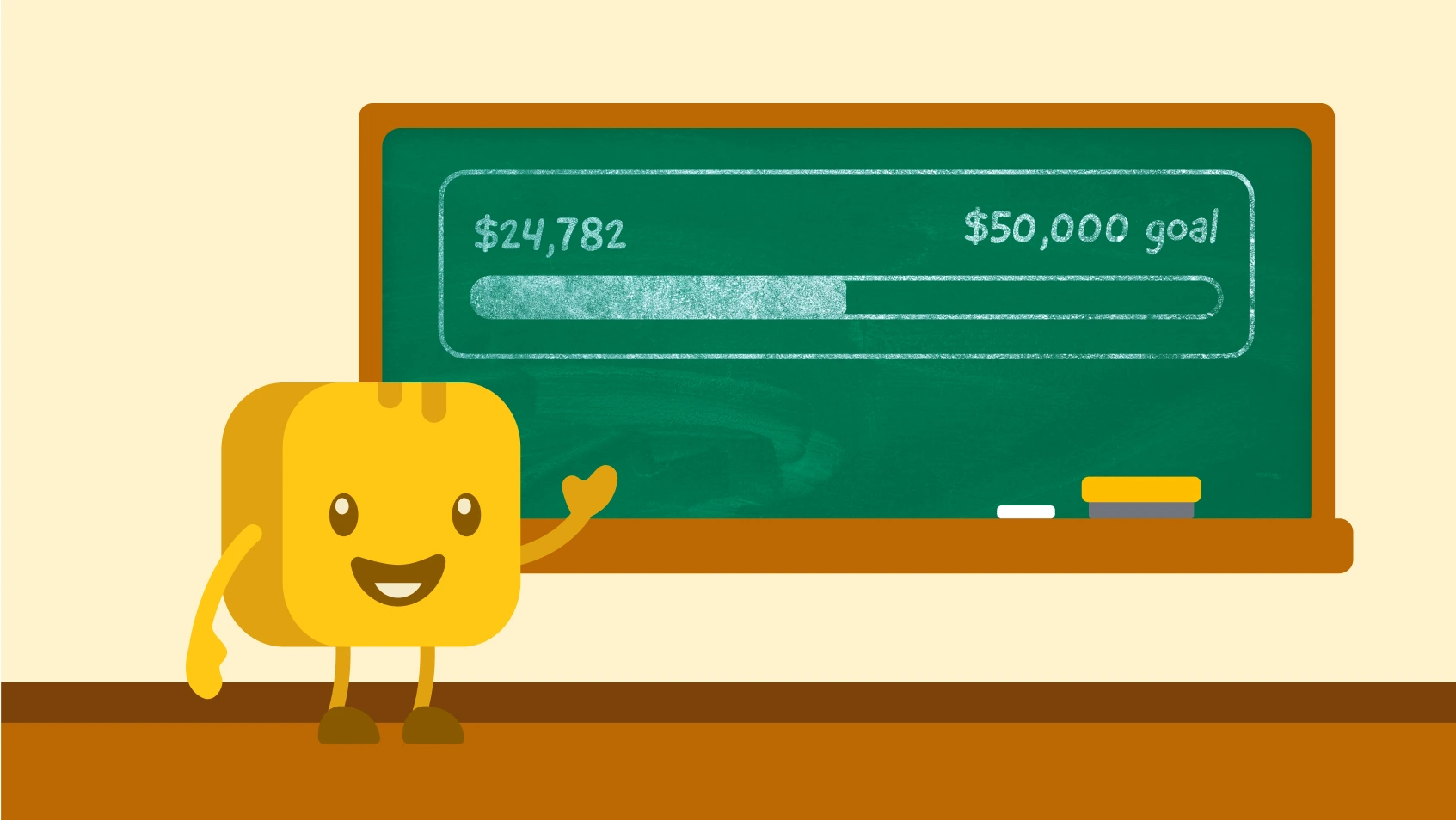
💪 Pro tip: Share your goal with supporters by adding a fundraising thermometer to your online donation form. A visual representation of real-time progress helps to build momentum and drive giving.

2. Choose your fundraiser type & audience 🎯
Use donor segmentation tools to review your existing supporter base and identify key demographics. Once you understand who your supporters are, you can choose a fundraiser type that’s most likely to resonate with their interests and giving behavior. Popular formats include:
- Crowdfunding 👥 Collect donations from your community members online with minimal setup. Ideal for nonprofits that need to raise money fast.
- Gift matching 💸 Partner with an individual, local business, or major organization to raise money twice as fast. An estimated $2.86B is raised each year through matching gift programs.
- Peer-to-peer campaigns 🤝 Mobilize your supporters to raise funds from their personal networks through a peer-to-peer fundraising campaign.
- Fundraising events 🥳 Host an athletic competition, bake sale, or all-day challenge—the fundraising event ideas are endless!
3. Build a simple budget & timeline 💸
Fundraiser timelines can range from a single day (like an in-person event) to several weeks or months (like an ongoing email campaign).
To keep your campaign profitable, create a realistic budget that’s lower than the amount you expect to raise. Based on your fundraiser type, your budget may include the following items:
- Venue ⛪ If you’re not using your own space, you’ll need to secure a venue. This is typically one of the highest overhead costs.
- Marketing 📰 You may need to print flyers, hire additional social media support, or invest in advertising to help spread the word.
- Entertainment & food 🎤 Allow for any entertainment, such as live music, as well as refreshments you’ll provide throughout the event.
4. Define your committee & volunteer roles 🧑🤝🧑
A successful campaign starts with a strong fundraising team. Depending on your organization’s size and budget, you may not need to make new hires, but you should make sure to designate responsibility for each of the roles below:
- Team lead 📋 Your main point of contact who knows your organization inside and out and keeps the fundraiser on track.
- Marketing specialist 🥳 A savvy team member responsible for social media, print materials, and any other outreach.
- Event support 🤗 Volunteers and staff who assist with planning logistics and help run the event day-of. Volunteer opportunities are also a great way to strengthen relationships with supporters.
- Fundraising coordinator 💰 Oversees the donation page, tracks expenses, and monitors funds raised throughout your campaign.
💪 Pro tip: Keep everyone aligned by using one shared fundraising platform. With Givebutter, your team can manage campaigns, registrations, and donor activity all in one place.
5. Outline your sponsorships & partners 🤝
Securing a corporate sponsorship can help you reach a wider audience and offset overhead costs. While this step is optional (especially for your first fundraiser!) sponsorships can significantly boost your impact.
Create tiered sponsorships to make partnering with your organization more accessible and attractive. For example:
- Bronze tier 🥉 $100 receives social media recognition.
- Silver tier 🥈 $500 receives social media recognition and a feature in the event program.
- Gold tier 🥇 $1K+ receives all of the above, plus an event poster placement and on-stage acknowledgement.
💪 Pro tip: Make a list of potential sponsors who share your values and begin outreach early. You may need to contact a few businesses before securing your ideal partnership.
6. Create your story, visuals, & page ✍️
The most effective fundraising appeals combine measurable impact with authentic, human-centered storytelling. Together, these elements drive home your mission and motivate giving.
- Share statistics 🧮 Along with your fundraising goal, highlight numbers that quantify your impact, like the number of beneficiaries you serve, programs you offer, or how each dollar raised supports your work.
- Make it personal 👐 Feature personal stories and spotlights for beneficiaries, volunteers, or nonprofit leaders to foster emotional connection and trust.
- Incorporate visuals 🖼️ Bring your fundraiser to life with videos and photographs that show your impact in action. Creativity pays off (57% of people donate after watching a nonprofit’s video!).
7. Set up donations, tickets, & registration 💳
To ensure everything runs smoothly on event day, set up your technology in advance. You’ll need a way to collect donations, and if you’re running an event or a peer-to-peer campaign, you’ll also require registration and ticketing tools.
Get ahead by setting up the following well in advance:
- Customize your donation page 🎁 Create a frictionless, customizable donation page that allows supporters to give with multiple payment methods, including debit, Apple Pay, Venmo, Cash App and more.
- Simplify registration 📂 Make it easy for participants to register for your fundraiser and access the resources they need.
- Sell tickets 🎫 Platforms like Givebutter include free event management software that makes event ticketing a breeze.
8. Plan your marketing strategy 📣
For nonprofits, promotion is key—people can’t donate or attend if they don’t know about your fundraiser. If your organization is newer, create easily shareable social media content for your team and supporters to pass along to their networks.
While you’ll want to focus your efforts where your supporters are most active, including multiple channels in your marketing strategy helps you spread your message to a wider audience.
- Social media sharing 👐 Create Instagram carousels and stories, share your fundraiser on Facebook, or post a promotional video on LinkedIn. Set aside a few minutes each day to respond to comments and messages.
- Email marketing 📧 Include your campaign link, photos, or video in your emails, and use an attention-grabbing subject line to boost open rates.
- SMS 📱 Text-to-donate campaigns are one of the most effective ways to get in front of your supporters and drive immediate action.
- Direct mail ✉️ Deliver your message directly to your supporters’ door with thoughtful, personalized mail.
💪 Pro tip: You don’t need to use every channel to be successful. Focus on the platforms where your supporters already engage, and scale from there as capacity allows.
9. Launch, monitor, & adjust in real time 📊
Once you’ve laid the groundwork, it’s time to launch your campaign. This is where you open ticket sales, send your first donation request email, or share an SMS message in a text-to-give campaign.
As your fundraiser gets underway, monitor these key metrics to guide your next steps:
- Goal progress 🥅 Keep a close eye on how quickly you’re moving toward your fundraising total to determine if you need to adjust your marketing efforts or messaging. Don’t forget to share goal progress updates with supporters to maintain momentum.
- Number of donors 🪙 Track how many people are giving to measure real-time interest in your campaign.
- Donor engagement 🗣️ Review which channels are driving the most engagement so you can leverage them more as your campaign progresses.
💪 Pro tip: Build anticipation by announcing your fundraiser a few weeks in advance and offering a sneak peek of what supporters can expect.
10. Thank donors & capture insights for next time 🎉
Show gratitude with a brief, sincere automated thank-you email as soon as you receive a donation. Follow up a few weeks later with a donor appreciation message that highlights what your fundraiser achieved, whether through a social media post, a donation thank-you letter, or a direct phone call.
Once you’ve said thank you, gather your team and evaluate the success of your fundraiser and gain valuable insights for future campaigns. Ask questions like:
- Did we meet or exceed our goal?
- What could we improve?
- Where did we excel?
Download your free fundraising templates
Many first-time fundraisers get stuck not because they lack ideas, but because they’re unsure where to start. These templates remove the guesswork and help you take action with confidence.
- Raise $1K in 30 Days 🚀 A practical, day-by-day plan for launching your first fundraiser.
- Peer-to-peer fundraising toolkit 🤝 Tools to help supporters share your mission and raise funds on your behalf.
- Rapid response outreach templates ✉️ Ready-to-use templates for urgent fundraising moments, such as unexpected funding gaps or emergencies.
- Fundraising readiness checklist A checklist to assess your nonprofit’s fundraising readiness across all key areas.
- Fundraising opportunity scoring matrix A free, editable scoring matrix to help you prioritize the right fundraising channels with confidence.
Start your fundraiser for free on Givebutter
Launching a fundraising campaign doesn’t mean doing everything at once. It’s about setting a clear goal, choosing the right format, sharing a compelling story, and making it easy for people to give.
With Givebutter, you can put those steps into action right away. Create a free fundraising page, customize your donation form, set up ticketing or event registration, and share your campaign with confidence. As donations come in, you can track progress, communicate with supporters, and keep everything organized in one powerful donor management system.

Create your free fundraising page in minutes
Get started with a free Givebutter account and turn your plan into real support for your mission.
FAQs about how to host a fundraiser for a nonprofit
What do I need to start a fundraiser?
The most successful campaigns begin with a simple goal and the right tools to collect donations and track progress. Givebutter helps you do exactly that from day one.
How do I start a fundraiser for charity?
Start by deciding what you are raising money for and who you are asking to support your cause. Then choose a campaign type that fits your goal and audience, whether that’s an in-person event, peer-to-peer fundraiser, or corporate sponsorship.
A smart approach is to launch first to your closest supporters, build early momentum, and then expand promotion. With Givebutter, you can set up your fundraiser in minutes and start sharing as soon as it’s ready.
How do I create a fundraiser online?
Create a fundraising page, customize it with your story, photos, and donation options, and make it easy for people to give.
With Givebutter, you can launch your fundraiser in minutes and start sharing right away. Built-in one-click social sharing, a Meta fundraising integration, and campaign management tools help you promote your fundraiser and track progress all in one place.
How do I organize a fundraiser?
Start by setting a clear goal and choosing a campaign type that fits your audience, timeline, and budget. Then create your fundraising page on Givebutter and customize it with your story, visuals, and donation options.
From there, use Givebutter to keep everything organized in one place by tracking donations in real time, managing donors in your CRM, and sharing your campaign through built-in email and social tools. With everything working together, it’s easier to stay on track and keep your fundraiser moving forward from launch to thank-you.
How much does it cost to run a fundraiser?
It can cost as little as $0 to make a fundraiser. Many nonprofits launch online campaigns with no upfront expenses at all. Costs usually only come into play for in-person events, like galas or ticketed fundraisers, where you may need to budget for venues, food, or logistics.
With Givebutter, core fundraising tools are free to use when donor tips are enabled, helping nonprofits keep overhead low and direct more funds toward their mission.
How long should a fundraiser last?
Most fundraisers run anywhere from a few days to a few weeks. Short campaigns can create a sense of urgency, while longer campaigns allow more time to reach and engage supporters.
No matter the length, the key is to set a clear end date, promote consistently, and share progress updates along the way.
Share this article








.svg)
.svg)