.svg)
.svg)
.svg)
.svg)
.svg)
.svg)
.svg)
.svg)
.svg)


.svg)
.svg)
.svg)
.svg)
.svg)
.svg)
.svg)
.svg)

.svg)
.svg)
.svg)

.svg)

.svg)
.svg)
.svg)
.svg)
.svg)


.svg)
.svg)
.svg)
.svg)
.svg)
.svg)
.svg)





.svg)


%20(1).png)

Direct mail fundraising still works. When it’s targeted to the right supporters, it can cut through crowded digital channels and give your message a tangible place in supporters’ homes. The strongest campaigns pair thoughtful, personalized mail with email, social media, and an easy way to give online.
In this guide, you’ll learn about the types of mail you can send, whether to manage it in-house or with a vendor, and how to plan, write, send, and measure a campaign. You’ll also see how QR codes can connect every letter to digital giving and help you track what works.
Key takeaways
- Pair print with digital 🤳 Direct mail works best alongside email, social media, and an easy way to give online.
- Choose the right format 📪 Use letters for story-led appeals and stewardship, and postcards for short updates, reminders, and promotions.
- Send the right message to the right people 🏠 Start with your house list of existing supporters and use RFM segmentation to tailor appeals based on giving history.
- Keep your mailing list clean 🫧 Remove duplicate records, deceased donors, undeliverable addresses, and opt-outs before every send.
- Choose a method that fits your team 💌 Weigh your budget, mailing volume, and staff capacity before managing production in-house, hiring a mail house, or using a platform like Givebutter.
What is direct mail fundraising?
Direct mail fundraising, also called direct mail solicitation, is the practice of sending physical letters, postcards, and other mailers to ask for donations, thank supporters, or strengthen donor relationships. Unlike an email or social post, each piece gives supporters something tangible they can hold onto and revisit.
Modern nonprofit direct mail also connects print with digital giving. A QR code or short campaign URL gives recipients an easy way to respond online, while campaign tracking helps you see which mailings lead to donations.
Most direct mail campaigns reach one of two audiences:
- House file campaigns 🏠 Appeals, updates, and thank-you letters sent to existing supporters help maintain relationships and strengthen donor retention.
- Prospect campaigns ⛏️ Outreach to people who haven’t supported your organization can introduce them to your mission and attract new donors. Donation request letters with a clear ask and QR code make it easy to learn more or give.
Does direct mail fundraising still work?
Yes! Direct mail fundraising is still effective, especially when you’re reaching supporters who already know your organization. In the M+R 2026 Benchmarks study, participating nonprofits saw direct mail revenue increase by 9% in 2025 and the number of gifts increase by 4%. The average direct mail gift was $120.

Types of direct mail for nonprofits
The right format depends on what you want supporters to do. Some mailings make an ask, while others strengthen the relationship between campaigns.
Popular direct mail services for nonprofits compared
Writing the letter is only one item on the direct mail to-do list. You also need to prepare addresses, produce each piece, manage postage and delivery, and track responses. The right approach depends on your budget, mailing volume, staff capacity, and how much of that work your team wants to own.
Before taking direct mail in-house, ask who will clean the list, handle postal requirements, assemble each piece, and get everything to USPS. A lower price per piece may look appealing, but your team’s time belongs in the budget, too.
.png)
See how Givebutter Mailings works
How to run a direct mail fundraising campaign
A successful direct mail fundraising campaign starts with the right audience and ends with a clear understanding of what worked. These six steps will help you plan, write, send, and measure your campaign.
Step 1: Review past campaigns & examples 🤓
Start by looking at your previous mailings and other nonprofit direct mail examples. Consider:
- Your audience: Which donor segments responded?
- Your message: Which stories, themes, and calls to action inspired people to give?
- Your format: Did letters, postcards, or another format perform best?
- Your results: How many people responded, how much did they give, and what did the campaign cost?
You can also look at the nonprofit mail you receive. Pay attention to what catches your eye, what motivates you to keep reading, and how easy it is to respond.
Step 2: Outline your campaign 📝
Choose one primary goal, audience, and action for your campaign. For example, you might ask existing donors to renew their support, reconnect with lapsed donors, or introduce new supporters to your mission.
Then, define your:
- Campaign theme and key message
- Fundraising goal and budget
- Mailing date and response deadline
- Response options
- Follow-up plan
- Success metrics
Deciding how you’ll measure the campaign now will make it easier to evaluate your results later.
Step 3: Build & segment your mailing list 🎯
Segment your audience so you can send a relevant message to each group instead of mailing the same appeal to everyone.
Here’s what to consider:
- House lists vs. prospect lists: Your house list includes existing supporters and is typically the best place to start. Prospect or rented lists can introduce your organization to new audiences, but acquisition mailings often cost more and generate lower response rates.
- RFM segmentation: Recency, frequency, and monetary value can help you prioritize recipients. Recent, frequent, and higher-value donors may receive your most personalized appeals, while lapsed donors receive messages designed to reconnect them with your mission. Explore additional donor cultivation strategies for building relationships with each group.
- List hygiene: Remove duplicate records, deceased donors, incomplete addresses, and anyone who has opted out of mail. If you’re managing fulfillment yourself, consider running your list through the National Change of Address database before sending.
Save these groups as reusable segments so you can personalize future mailings without rebuilding your lists every time.
Step 4: Write your direct mail fundraising letter ✍️
Your direct mail fundraising letter should make supporters feel connected to your mission and confident that their gift will make a difference. Use these donation request letter examples for more writing tips and inspiration.
Include these essential elements:
- Envelope or teaser copy: Give recipients a reason to open your letter without relying on vague or sensational language.
- Donor-focused opening: Begin with the supporter’s role in your mission. When appropriate, personalize the message using their name, previous gift, or relationship with your organization.
- A compelling story: Share one specific, respectful story that illustrates the need and potential impact. Follow these nonprofit storytelling principles, including securing consent and protecting the dignity of the people featured.
- A specific ask: Recommend three or four giving amounts tied to tangible outcomes, such as “A gift of $75 can provide five meals.”
- Clear response options: Include a QR code or short URL for online giving and instructions for anyone who prefers to give by check. Some mailings may also include a reply card and return envelope.
- A P.S. line: Restate the primary ask, deadline, or reason to give now.
💡 Pro tip: Avoid guilt, shock tactics, and exaggerated urgency. These approaches may prompt short-term responses, but they can undermine trust and long-term donor relationships.

Step 5: Send your mailing & connect it with digital fundraising 📫
Before sending your campaign, proofread every element and test all QR codes, links, merge fields, and response forms. If you’re managing the mailing in-house, confirm that your envelopes, labels, and documents are formatted correctly before printing the full batch.
Plan your digital follow-up at the same time. For example, you can:
- Send an email shortly before or after the letter arrives
- Reinforce the same campaign message on social media
- Direct recipients to the same campaign page from every channel
- Use a QR code for online giving to identify and measure mail-driven gifts
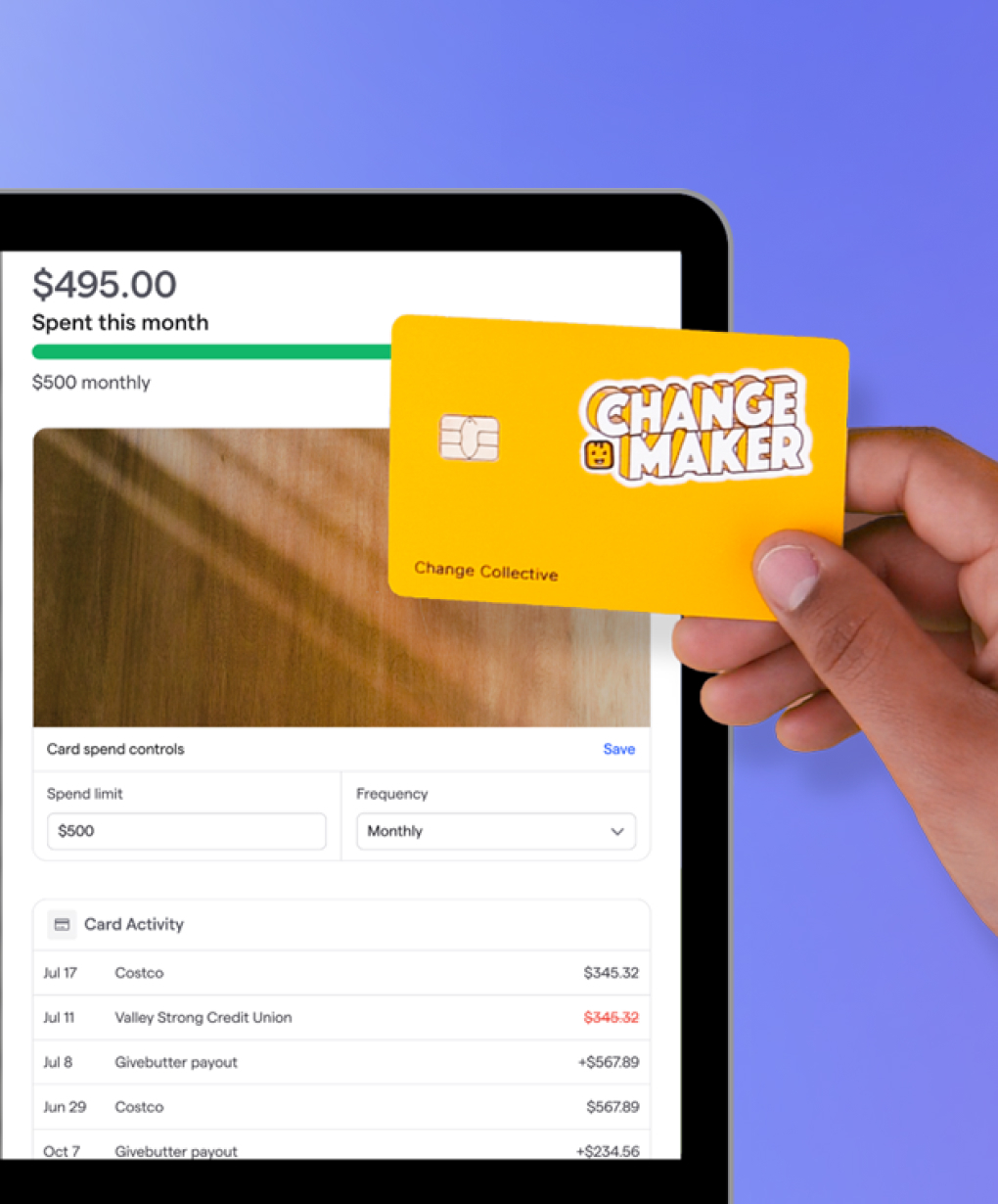
If you’d rather skip printing, packing, and trips to the post office, Givebutter Mailings can fulfill and send your letters through USPS First Class. Unique QR codes connect each letter to your online campaign and help you track responses.
Step 6: Measure your results ✨
Measure both immediate revenue and the campaign’s effect on long-term donor relationships. Useful direct mail fundraising benchmarks include:
- Response rate: The percentage of recipients who donated. Divide the number of gifts by the number of deliverable mailings.
- Average gift: Total revenue divided by the number of gifts.
- Cost per dollar raised: Total campaign cost divided by total revenue.
- Return on investment: Subtract campaign costs from revenue, then divide that amount by campaign costs.
- QR code conversion rate: The percentage of recipients who scanned the code and completed a donation.
- Undeliverable rate: The percentage of mailings that couldn’t be delivered. A high rate may indicate that your list needs additional cleaning.
- Mail donor retention rate: The percentage of donors who gave through direct mail last year and gave again this year.
Direct mail response rates for nonprofits vary based on the audience, campaign goal, list quality, and whether the mailing focuses on retention or acquisition. Compare each campaign with your organization’s previous results instead of relying on a single industry benchmark.
Nonprofit direct mail fundraising best practices
Once you’ve built your campaign, use these best practices to make every mailing more useful:
- Establish a baseline 📊 Record the audience, format, message, ask amounts, costs, and results from your first mailing. You’ll need that baseline to understand whether future changes improve performance.
- Test one variable at a time 🧪 Compare one change, such as envelope copy, ask amounts, or letter length, while keeping everything else consistent. Otherwise, you won’t know what influenced the results.
- Leave enough lead time 📅 Give your team four to six weeks to write, review, design, print, and deliver the campaign. Work backward from when you want the letter to arrive, not when you plan to send it.
- Plan your follow-up before you mail 💛 Prepare acknowledgment letters, thank-you calls, and digital follow-ups in advance so every response receives a timely, personal touch.
Bring direct mail & digital fundraising together with Givebutter
Direct mail may start at the mailbox, but the donor journey doesn’t end there. Givebutter Mailings brings personalized letters and online giving into the same dashboard, helping you turn every send into a measurable part of your fundraising strategy.
Segment your audience, customize each message, and choose whether to print it yourself or use paid fulfillment for printing, postage, and USPS First Class delivery. With paid mailings, unique QR codes track scans, conversions, and revenue, so you can see which messages move supporters to act.
Sign up for free and manage your next direct mail fundraising campaign from one place.
FAQs about direct mail fundraising
How often should nonprofits send direct mail?
There’s no universal schedule. Start with a few well-timed campaigns your team can personalize, fulfill, and follow up on consistently. Then, use response rates, donor feedback, and opt-out requests to determine whether your audience would welcome more or fewer mailings.
How long should a direct mail fundraising letter be?
A straightforward ask may fit on one page, while a story-led appeal may need two. Focus on making every paragraph earn its place: connect with the donor, explain the need, show the potential impact, and make a clear ask.
Should you include a return envelope?
Include a pre-addressed return envelope if you expect donors to give by check. Even then, add a QR code and short URL so supporters can choose the giving method that works best for them.
Share this article









.svg)
.svg)